Dental Implants Calabasas CA: Common Questions Answered
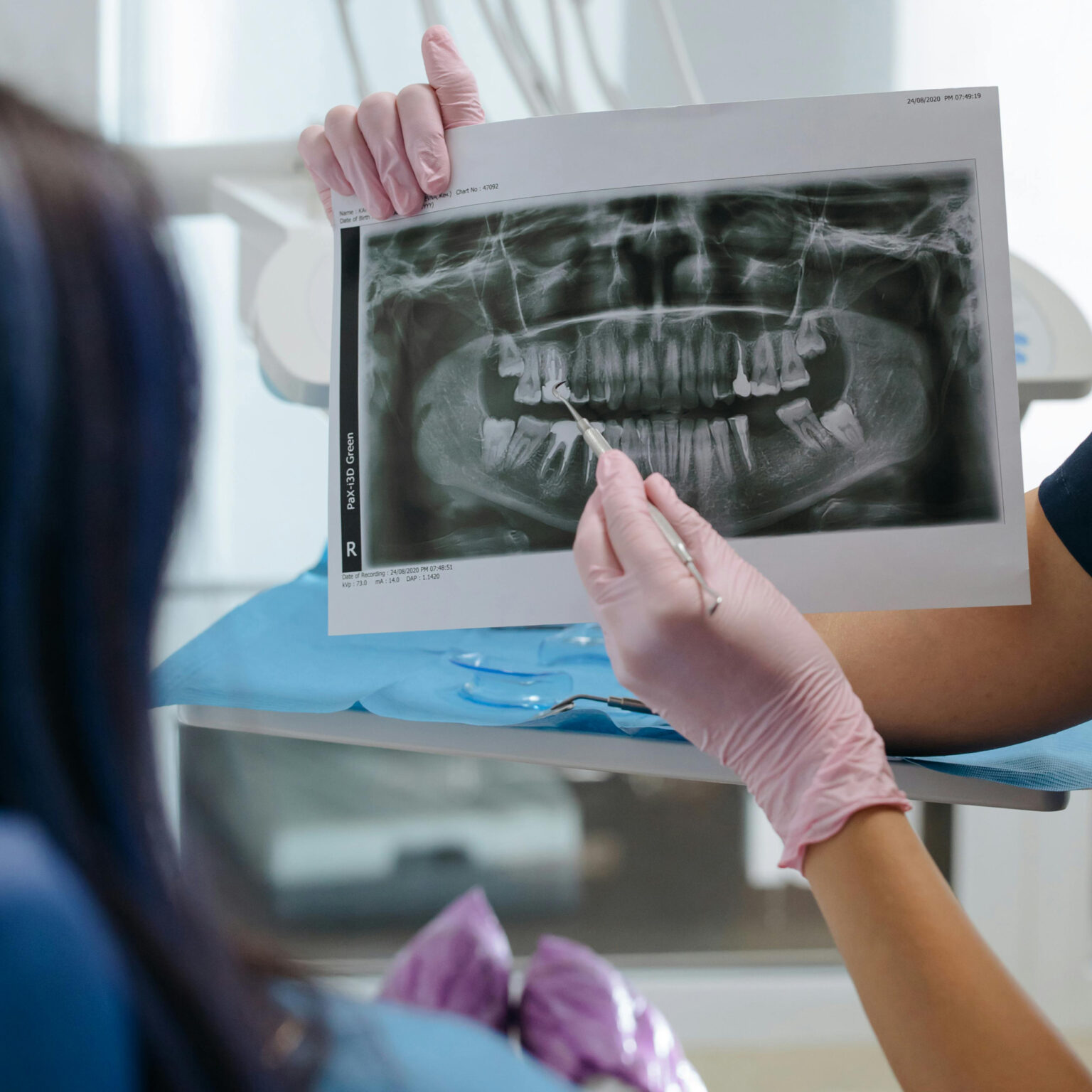
Losing a tooth changes more than a smile. It affects chewing, speech, confidence, and over time, even the shape of the jaw. People often come in asking one version of the same question: is a dental implant really the best way to replace a missing tooth, or is it just the most talked-about option? The honest answer is that implants are excellent in many cases, but not every case. Good treatment planning matters more than trends.
For patients researching Dental Implants Calabasas CA, the questions tend to be practical. How painful is it? How long does it take? What if there is not enough bone? How much maintenance is involved? Those are the right questions, and they deserve clear answers without sales language or vague promises.
Dental implants have been used successfully for decades. They are designed to replace the root of a missing tooth with a titanium or ceramic post that integrates with the bone. Once healing is complete, the post supports a crown, bridge, or denture. Done well, an implant can look and function so naturally that many patients forget which tooth was replaced. Done in the wrong patient, or planned poorly, it can become a long and expensive detour. That tension is exactly why informed decisions matter.
What makes dental implants different from bridges or dentures?
A conventional bridge fills a gap by attaching an artificial tooth to the teeth next to the space. That can work very well, especially when the neighboring teeth already need crowns. The trade-off is that healthy enamel often has to be reduced to support the bridge. A removable denture, whether partial or full, can also replace missing teeth, usually at a lower initial cost, but it may shift, rub, or feel bulky.
An implant stands apart because it replaces the tooth from the root up. That means the neighboring teeth often remain untouched. It also means the implant stimulates the jawbone in a way a bridge or denture does not. After a tooth is lost, the bone in that area tends to shrink because it no longer has a root to support. That bone loss is one of the quiet changes people do not notice until years later, when the fit of a denture worsens or the face takes on a more sunken look.
There are cases where a bridge is the smarter move. A patient with certain medical concerns, heavy smoking habits, or severe bone loss may not be an ideal implant candidate right away. There are also situations where speed matters. If someone wants a replacement quickly and does not want surgery, a bridge may be reasonable. Treatment should fit the person, not the other way around.
Am I a candidate for dental implants?
Most healthy adults are at least potential candidates. Age by itself is rarely the issue. Bone quality, gum health, bite forces, and overall medical history matter far more than the birth year on a chart. It is not unusual for someone in their seventies to be a better implant candidate than someone in their forties who has uncontrolled diabetes and advanced periodontal disease.
A proper evaluation usually includes a detailed exam, digital imaging, and a review of habits that affect healing. Bruxism, which is clenching or grinding, is one of the most underestimated factors. Implants do not decay, but they can be overloaded. A patient who places very heavy pressure on back teeth may still get implants, but the design of the restoration and the use of a night guard become much more important.
Several factors strongly influence candidacy:
- Healthy gums or a plan to treat gum disease first
- Adequate bone volume, or the ability to rebuild bone safely
- Good control of medical conditions such as diabetes
- Consistent home care and follow-up habits
- Limited tobacco use, ideally none during healing
None of those points should be read as absolute yes-or-no rules. They are judgment calls. I have seen patients initially told they were not candidates become excellent candidates after periodontal treatment, smoking reduction, and bone grafting. I have also seen people with enough bone on a scan fail because their home care never improved. The implant does not live in a vacuum. It lives in a mouth, and the mouth needs to be stable.
Does getting an implant hurt?
This is usually the first question asked, and the fear behind it is understandable. Most people imagine the procedure feels more intense than it actually does. In many straightforward cases, implant placement is less uncomfortable than a tooth extraction. The area is fully numbed, and patients often report feeling pressure and vibration rather than sharp pain.
Discomfort after surgery varies with the complexity of the case. A single implant placed in a healed site is one experience. Multiple implants with grafting or sinus work is another. For a simple case, many patients manage with over-the-counter pain relief, a soft diet, and a day or two of taking it easy. Swelling often peaks around the second or third day, then improves. If someone is expecting zero soreness, they may be disappointed. If they are expecting a miserable week, that is usually not what happens.
Anxious patients sometimes assume sedation is mandatory. It is not. Local anesthetic is often enough. That said, sedation can be helpful for long appointments, multiple implants, or patients who become tense in the chair. There is no prize for white-knuckling a surgical visit. Comfort is part of good care.
How long does the process take?
This answer depends almost entirely on the starting point. If the tooth has already been missing for months and the site has strong bone, treatment may move fairly efficiently. If a failing tooth needs extraction, infection is present, or bone grafting is required, the timeline naturally stretches.
In broad terms, implant treatment can take anywhere from a few months to close to a year. That sounds frustrating until you understand why. The implant needs time to integrate with the bone, a process called osseointegration. Rushing that stage is one of the fastest ways to create problems.
A common timeline might look like this:
- Evaluation, imaging, and treatment planning
- Extraction and grafting if needed
- Implant placement after the site is ready, or at the same visit in select cases
- Healing period for bone integration
- Final crown placement after the implant is stable
The details matter. Some patients can receive an implant immediately after a tooth is removed. Others should not. Immediate placement can be efficient and esthetic, especially in the front of the mouth, but it is technique-sensitive. The gum architecture, infection level, and bite forces all matter. A careful dentist or specialist will not force an immediate protocol just because it sounds appealing.
What if I do not have enough bone?
This is another common concern among people exploring Dental Implants Calabasas CA. Bone loss is very common after extractions, especially when a tooth has been missing for years. The good news is that lack of bone does not always eliminate the implant option. It may simply add another step.
Bone grafting can rebuild areas that have thinned out. In the upper back jaw, a sinus lift may create room for implant placement when the sinus floor sits too low. In smaller defects, a graft may be placed at the same time as the implant. In larger defects, the area may need to heal first.
Patients often hear the phrase “not enough bone” and assume the door is closed. More often, it means the treatment plan becomes more nuanced. A specialist may alter implant diameter, length, or position. Sometimes the number of implants is adjusted to distribute force better. In other situations, a bridge or removable solution remains the more sensible route. What matters is whether the final plan is stable, cleanable, and realistic for the patient’s anatomy.
Are dental implants safe?
When placed with proper diagnosis and technique, dental implants have a strong safety record. That said, “safe” should never be confused with “risk free.” Every surgical procedure carries risk, even routine ones. Swelling, bruising, delayed healing, and infection are possible. Rare complications can include nerve irritation, sinus involvement in upper jaw cases, or implant failure to integrate.
One area where patients benefit from candor is the difference between survival and success. An implant can remain in the mouth and still not be thriving. True success means the implant is stable, the gum tissue is healthy, the bone around it is maintained, and the restoration functions comfortably. It is not enough for a scan to show a piece of titanium still standing.
The best way to lower risk is not magic. It is careful planning, sound surgical technique, and good maintenance. Three-dimensional imaging has improved planning significantly, especially in anatomically delicate areas. Equally important is choosing the right restoration after healing. A beautifully placed implant can still fail early if the final bite is poorly adjusted.
How long do implants last?
Patients usually want a simple number. Ten years? Twenty? Lifetime? The most accurate answer is that many implants last a very long time, often decades, but longevity depends on factors the patient controls as much as the dentist does.
The implant post itself is durable. The crown attached to it may wear or need replacement sooner, just as crowns on natural teeth sometimes do. Porcelain can chip, screws can loosen, and night grinding can shorten the life of any restoration. The bigger threat, though, is often inflammation around the implant. This can begin as peri-implant mucositis, which is similar to gingivitis, and progress to peri-implantitis, where bone loss develops around the implant.
I have seen implants placed years earlier remain rock solid because the patient kept maintenance appointments, cleaned meticulously, and wore a guard at night. I have also seen expensive implant work deteriorate much faster because the patient believed implants were “maintenance free.” They are not. They are low decay risk, not low responsibility.
Is an implant better for one missing tooth than a bridge?
Often, yes. Replacing one missing tooth with one implant is one of the clearest indications for implant dentistry because it avoids cutting down neighboring teeth. In a patient with healthy adjacent teeth, that advantage is significant. If the two teeth next to the gap are already heavily filled, cracked, or crowned, then a bridge becomes more competitive as an option.
The location also matters. A missing back molar handles high chewing force. A front tooth has different esthetic demands, especially if the patient has a high smile line. Front tooth implants can be beautiful, but they demand precision in timing, tissue support, and final crown design. The challenge is not just filling the gap. It is preserving the gum contours so the result looks natural and not flat or artificial.
That is why photographs, scans, bite analysis, and provisional planning matter so much in the esthetic zone. A lower-cost plan that ignores tissue architecture can become more expensive later if revisions are needed.
What about full-arch implants?
For people missing most or all of their teeth, implant treatment can dramatically improve function and comfort. Full-arch solutions range from implant-retained overdentures, which snap into place and can be removed for cleaning, to fixed bridges supported by multiple implants. The difference in feel is substantial.
A removable denture can restore appearance and some chewing function, but many patients struggle with movement, sore spots, or lower denture instability. Adding implants can anchor the denture and increase confidence almost immediately. A fixed full-arch bridge offers an even more natural experience for selected patients, though it comes with greater cost, more planning, and stricter hygiene demands.
The right choice often comes down to anatomy, budget, expectations, and maintenance ability. A fixed bridge sounds ideal to many people until they understand the cleaning commitment. An overdenture may sound less glamorous, but in the right patient it can be the most practical and successful option.
How much do dental implants cost?
This is one of the most searched questions, and it deserves a direct answer: implants are an investment, and the fee can vary widely. The total depends on whether the case involves a single implant or a full arch, whether extractions or grafting are needed, what type of final restoration is used, and who is performing each phase of treatment.
A straightforward single implant with a crown generally costs more upfront than a removable partial or a simple bridge. But the comparison is not always apples to apples. A lower initial fee can become less economical if neighboring teeth later need additional work, or if a removable appliance needs repeated relines and remakes as the ridge changes.
Patients also need to understand what is included in a quoted price. Some offices present one bundled number. Others separate the surgical phase, the abutment, the crown, imaging, sedation, and grafting. Neither approach is wrong, but clarity matters. It is frustrating for patients to think they budgeted for the entire process only to discover key components were not included.
Insurance coverage remains inconsistent. Some dental plans contribute to the crown but not the implant itself. Some medical plans help when tooth loss is tied to trauma or pathology, but many do not. Flexible spending and health savings accounts can help, and phased treatment sometimes makes the process more manageable.
How do I care for an implant after it is finished?
Daily care is less complicated than many patients expect, but it must be consistent. An implant crown should be brushed just like a natural tooth. The area where the gum meets the implant restoration needs special attention because plaque tends to collect there. Floss, floss alternatives, interdental brushes, or water flossers may all play a role depending on the shape of the restoration and the space available.
Professional maintenance is just as important. Implants should be checked regularly for bone levels, tissue health, bite balance, and restoration integrity. Instruments used around implants often differ from those used on natural teeth because the surface should be handled appropriately. This is one reason routine maintenance with a dental team familiar with implant care is valuable.
Patients who grind at night often hear about night guards repeatedly, and for good reason. A well-made guard can protect both implants and natural teeth from excessive load. It is one of the simplest ways to protect a significant investment.
What can cause an implant to fail?
Implant failure is not a single event with a single cause. Early failure usually means the implant never integrated properly with the bone. Late failure often relates to overload, inflammation, poor cleaning access, smoking, or untreated gum disease history.
Sometimes the problem begins with planning. An implant placed where there is insufficient bone or poor restorative position may survive initially but become difficult to clean or function poorly under bite pressure. Other times the surgery was excellent, but the patient returned to heavy smoking, skipped maintenance, or assumed implants could be treated casually.
There are also edge cases. Some patients have strong esthetic expectations in the front of the mouth that become difficult to meet after trauma or long-standing bone loss. Others have medical changes years later, such as medications affecting bone turnover, that require careful monitoring. A responsible clinician does not pretend every implant case is straightforward.
Are ceramic implants better than titanium?
This question has become more common in recent years. Titanium remains the most established material in implant dentistry, with a long track record and broad supporting data. Ceramic implants appeal to patients who prefer a metal-free option or who like the esthetic concept of a tooth-colored implant.
That does not make ceramic automatically better. Each material has advantages and limitations, and not Dental Implants Calabasas CA every office offers both because they require different planning considerations. Titanium is versatile and widely used. Ceramic can be an option in selected cases, but case selection matters. A patient who strongly prefers ceramic should have a detailed conversation about anatomy, loading, prosthetic design, and long-term maintenance expectations.
Why does provider experience matter so much?
Implants look simple on diagrams. In real mouths, they are not. Bone contours vary. Gum thickness varies. Smiles vary. Bites vary. The same missing tooth can be an easy implant in one person and a highly demanding case in another.
Experience matters because judgment matters. Knowing when to graft, when to stage treatment, when to use a specialist, when immediate placement is wise, and when it is reckless, those decisions shape outcomes. The technical placement of the implant is only one piece. The final restoration has to emerge from the gum naturally, bear force appropriately, and remain cleanable for years.
In communities where patients expect both function and appearance, such as those seeking Dental Implants Calabasas CA, the esthetic side of planning becomes especially important. People do not just want a tooth back. They want it to look believable in conversation, in photos, and under bright light. That requires more than inserting an implant into bone. It requires restorative vision from the start.
Questions worth asking at your consultation
A good consultation should leave you better informed, not pressured. If the conversation feels rushed or vague, that is useful information in itself. Ask how many phases are involved in your case. Ask whether grafting is likely. Ask what alternatives exist if you decide against implants. Ask how the final crown or bridge will be maintained. Ask what the realistic timeline looks like, not the ideal one.
One patient I remember had delayed treatment for years because she assumed implants meant months of severe pain and a visible temporary gap in the front of her smile. Neither assumption was true in her case. Another patient came in certain that a full-arch fixed bridge was the only acceptable answer, then chose an implant-retained overdenture after learning he could clean it more easily and stay within budget. Better information changed both decisions.
That is the real value of asking common questions. The point is not to make everyone choose implants. The point is to understand when implants are the right tool, when another option is smarter, and what successful treatment actually requires once the procedure is over.
Oaks Dental
5000 Parkway Calabasas, Suite 308
Calabasas, CA 91302, United States
Phone: +1 (818) 412-8349
FAQ About Dental Implants Calabasas CA
How much does a dental implant cost in California?
Costs vary with the number of teeth replaced, restoration type, imaging, and any extractions or bone grafting. Request an itemized estimate after an examination; a single advertised price may not include every treatment stage.
Can people with autoimmune disease get dental implants?
Some people may qualify, but the condition, medications, oral health, and healing risks require individual assessment. Share your medical history with your dentist, who may coordinate with your treating physician.
Can you have dental implants if you have osteopenia?
Osteopenia does not by itself establish whether implants are suitable. Your dentist must evaluate jawbone support and review bone-related medications and other risks before recommending treatment.