Dental Implants for Complete Smile Makeovers

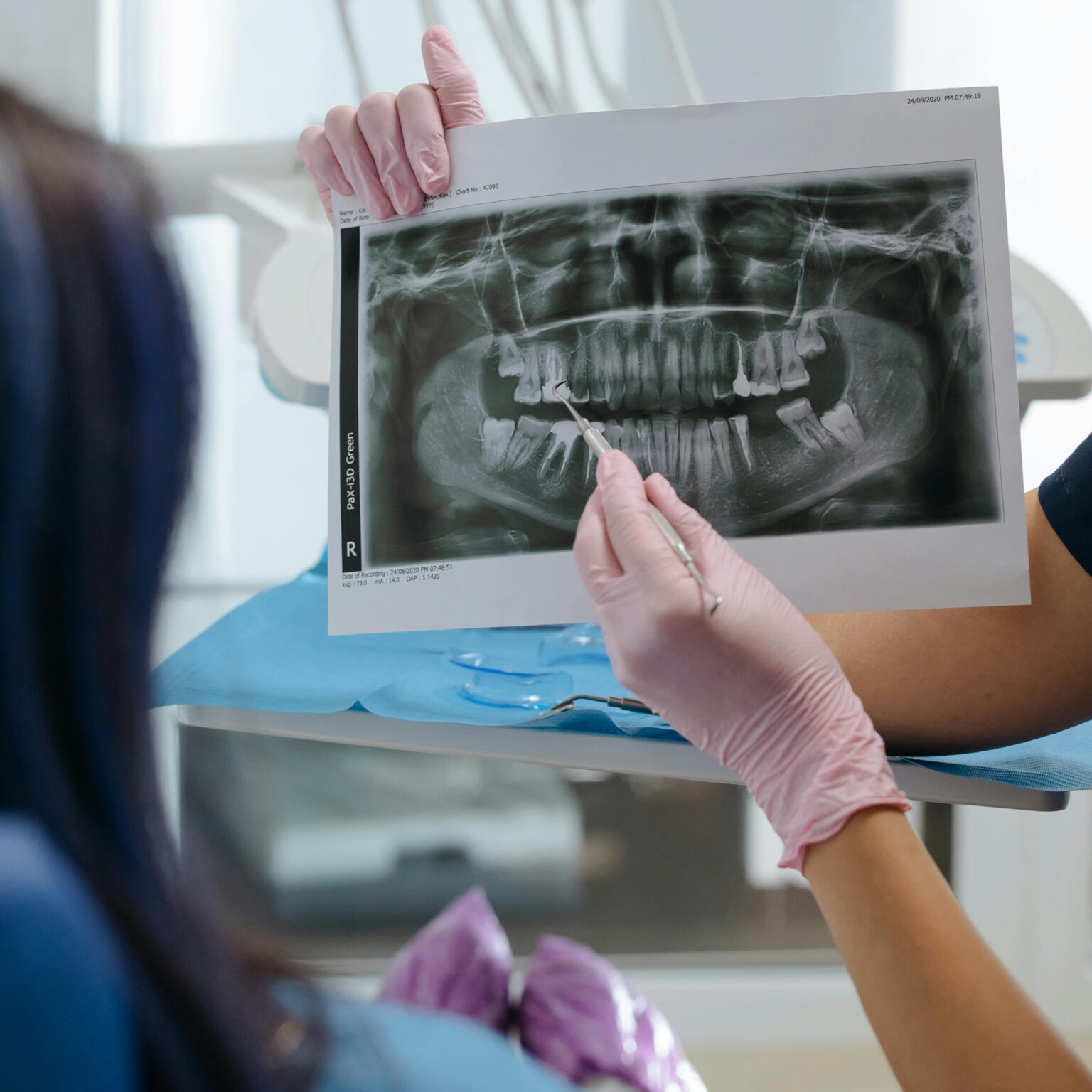
A complete smile makeover is rarely about looks alone. People usually arrive at this decision after years of compromise, hiding teeth in photos, chewing on one side, avoiding certain foods, or dealing with dentures that never feel fully secure. When several teeth are missing, failing, worn down, or cosmetically beyond simple repair, treatment has to do more than brighten enamel or straighten a front tooth. It has to rebuild structure, function, and confidence at the same time.
That is where Dental Implants often become central to the plan. They do not solve every problem, and they are not the right answer for every patient, but in full smile rehabilitation they can change what is possible. A well-planned implant case can restore bite stability, support facial contours, replace teeth in a way that feels more natural, and create a foundation for long-term cosmetic work.
The phrase “smile makeover” sometimes gets treated as if it means veneers alone. In reality, the most successful makeovers are built on sound dentistry first. If the bite is unstable, bone has shrunk, gums are inflamed, or multiple teeth are no longer predictable, cosmetic improvements alone tend to disappoint. They may photograph well at first, but they do not age gracefully. A complete makeover has to work under pressure, during meals, during conversation, and over years of normal wear. Implants help because they replace missing tooth roots, preserve or support bone in key areas, and give a restorative dentist more control over the final design.
Why implants change the makeover conversation
When a patient is missing one or more teeth, the traditional alternatives are familiar: a removable partial denture, a full denture, or a bridge that uses neighboring teeth for support. Each has a place. A bridge can be excellent when adjacent teeth already need crowns. A denture may be the most practical choice when medical, financial, or anatomical limitations are significant. But when the goal is a complete smile transformation that feels stable and durable, implants often offer advantages the other options cannot match.
The biggest difference is support. An implant stands independently in the bone. That means the restorative team can often replace missing teeth without cutting down healthy neighboring teeth. In full-arch situations, implants can help anchor an entire set of teeth so the prosthesis does not shift during speech or chewing. For many patients, that single change alters how they live day to day. They stop thinking about their teeth every hour.
There is also an aesthetic effect that patients notice even if they cannot quite describe it. Teeth that emerge naturally through healthy gum contours tend to look more convincing than replacements that sit on top of tissue. With careful planning, implants can support the gum architecture and create more believable proportions, especially in the visible smile zone. That does not mean every implant crown is automatically beautiful. Front-tooth implant work is among the most demanding procedures in dentistry. But when it is handled properly, it can produce a result that blends into the face rather than looking separate from it.
A smile makeover starts long before surgery
Some of the most important work in implant dentistry happens before anyone picks up a surgical handpiece. A complete makeover needs diagnosis from several angles: cosmetic, functional, periodontal, and restorative. It is not enough to know that teeth are missing. The team needs to understand why they were lost, how the bite has adapted, how much bone remains, whether the gums are healthy, and what the patient expects the final smile to accomplish.
A patient who wants “all new teeth” may actually be dealing with very different underlying issues. One person may have advanced wear from grinding. Another may have old crowns failing at the margins. Someone else may have severe periodontal disease and mobile teeth. A fourth may have worn a lower denture for fifteen years and lost significant jawbone as a result. Those are all smile makeover cases, but they do not lead to the same implant strategy.
Digital imaging has improved this planning phase considerably. Three-dimensional scans let clinicians assess bone volume, locate nerves and sinus anatomy, and anticipate where implant positioning will support the final restoration best. That last point matters more than many patients realize. Implant placement should be prosthetically driven, meaning the surgeon places implants where the final teeth need support, not just where bone happens to be easiest. If that planning is skipped, the restorative dentist may later have to compromise tooth shape, angulation, or gum appearance to work around poor implant positions.
Good planning also includes old-fashioned conversation. Some patients prioritize fixed teeth above all else. Others care most about shortening treatment time. Others need a phased plan because of budget. A thoughtful clinician will discuss trade-offs openly. There is no universal “best” makeover, only the best one for a particular anatomy, timeline, and set of goals.
When Dental Implants are part of a full-mouth rebuild
In a complete smile makeover, implants can play several roles. Sometimes they replace a single missing front tooth and anchor the visible part of the smile. Sometimes they restore the back teeth that have collapsed the bite over time. In more complex cases, they support a bridge spanning several missing teeth or hold an entire upper or lower arch.
The most dramatic transformations often involve patients with widespread dental breakdown. A person may come in with failing teeth, chronic infections, advanced wear, and a bite that no longer closes comfortably. Trying to patch each tooth one by one can become an expensive cycle with no stable endpoint. In those cases, strategic extractions followed by implant-supported restorations may offer a more predictable long-term path.
That does not mean every compromised mouth should be cleared and rebuilt with implants. Preserving healthy natural teeth is still the preferred option when they are restorable and maintainable. Natural teeth have a periodontal ligament, sensory feedback, and biological advantages implants do not duplicate. The decision to remove teeth should never be made casually. Experienced dentists spend significant time deciding what should be saved, what should be replaced, and how each choice will affect the whole mouth ten years later.
The emotional side is real
People often underestimate how emotional these cases can be. A smile makeover with implants is not like buying a cosmetic accessory. Patients are confronting age, loss, cost, fear of surgery, and sometimes shame about years of delayed care. Many have had difficult dental experiences in the past. Some have lived with loose dentures or broken teeth so long that they have adjusted their social life around them.
One detail that stands out in practice is how often function and dignity matter more than glamour. Patients may start by talking about wanting a “Hollywood smile,” but by the second consultation they are asking quieter, more practical questions. Will I be able to eat steak again? Will my speech sound normal? Will I still need adhesive? Will I be embarrassed during healing? Those questions deserve direct answers.
Implants can be life-changing in these respects, but the road is not always quick. Healing takes time. Temporary restorations may have limitations. Some patients need bone grafting or sinus augmentation before implants can be placed safely. Managing expectations is not pessimism, it is part of good care.
The common treatment paths
There is no single blueprint for an implant-based smile makeover, but most cases fall into a few broad patterns. A patient missing scattered teeth might receive individual implants combined with whitening, bonding, or crowns on existing teeth. A patient with many failing teeth in one section of the mouth may do well with several implants supporting a fixed bridge. Someone with an unstable denture may move to an implant-retained overdenture or a fully fixed full-arch restoration.
The distinction between removable and fixed options matters. Implant-retained overdentures use implants for stability, but the prosthesis still comes out for cleaning. They are often more affordable, easier to maintain in certain cases, and can be a major upgrade from a traditional denture. Fixed full-arch restorations, by contrast, remain in place and are removed only by the dental team for maintenance visits. They can feel more like natural teeth, but they demand more planning, higher investment, and disciplined follow-up care.
Front teeth deserve special mention. Replacing a visible front tooth with an implant can produce an excellent result, but it is often more technique-sensitive than replacing a molar. Small discrepancies in position, tissue thickness, or healing can affect the final appearance. Patients sometimes assume a single front implant is simpler than a full-arch case because it is “only one tooth.” Surgically it may be smaller in scale, but aesthetically it can be harder to make perfect.
Who tends to be a good candidate
Good candidates are not defined by age alone. I have seen healthy older adults do beautifully with implants, while younger patients with heavy smoking, uncontrolled diabetes, or active gum disease struggle until those factors are addressed. The question is less “How old are you?” and more “How favorable is the environment for healing and maintenance?”
A strong candidate usually has several things working in their favor:
- Healthy or treatable gums with infection under control
- Adequate bone, or a realistic grafting option if bone is limited
- Medical conditions that are stable and compatible with surgery
- A commitment to oral hygiene and follow-up care
- Goals that match what the anatomy and budget can support
That last point matters. A patient may want a fixed full-arch solution, but if finances only allow treatment without the necessary provisional phase or maintenance visits, the plan may need to change. It is better to choose a realistic treatment path than to force an idealized one that becomes unstable later.
Bone loss, gum tissue, and the details patients do not see
Smile makeovers succeed or fail in the details. Bone volume, tissue thickness, lip line, smile width, bite force, and parafunctional habits all influence the final result. Two patients can both be “getting implants,” yet one is straightforward and the other requires advanced site development and careful staging.
Bone loss is especially important. Once a tooth is removed, the surrounding bone begins to remodel. Over time, the ridge can shrink in width and height. In long-standing edentulous areas, that loss may be significant enough to affect facial support and prosthetic design. Grafting can often rebuild part of what has been lost, but not always to the same anatomy nature provided. This is one reason prompt planning after extractions can be valuable, especially in visible areas.
Soft tissue matters too. Thick, healthy gum tissue tends to be more forgiving and more stable around implants. Thin tissue can be aesthetically delicate and prone to recession if not managed carefully. Sometimes the best cosmetic result requires grafting the gum, not just the bone. Patients usually focus on the implant fixture itself, but the beauty of Dental Implants the final smile often depends just as much on the surrounding tissue.
The timeline is often longer than expected
One of the most common misunderstandings around Dental Implants is timing. Marketing can make it sound as though everyone walks in with failing teeth and walks out with a permanent new smile a day later. Immediate-load and same-day concepts are real, and in the right case they can be excellent. But they are not universal, and “teeth in a day” does not usually mean the final prosthesis is delivered that day. It often means a temporary fixed set of teeth is placed while the implants heal and integrate.
For a comprehensive makeover, the process may stretch over several months and sometimes longer. Extractions may be followed by healing. Grafting may require additional time. Implant placement needs integration before final restorations are fabricated, unless a carefully selected immediate approach is appropriate. After that, the restorative phase includes impressions or scans, bite records, try-ins, and refinements to shape, color, and phonetics.
This can test a patient’s patience, but rushing is rarely wise. The better philosophy is to move efficiently without skipping biological steps. Implants need healthy tissue and stable mechanics. Cosmetics layered on top of instability do not stay cosmetic for long.
Cost, value, and where people sometimes make mistakes
Implant-based smile makeovers are a substantial investment. The final fee reflects surgery, restorative work, imaging, laboratory fabrication, temporaries, maintenance, and sometimes grafting or sedation. Prices vary widely by geography and case complexity, so broad numbers can mislead. A single implant crown in one practice may cost less than half of what another charges for a high-demand aesthetic zone case with grafting and custom tissue management. Full-arch treatment can vary even more.
The mistake patients sometimes make is comparing quotes without understanding what is included. One plan may cover extractions, temporaries, follow-up imaging, final prosthetics, and maintenance visits. Another may quote only the surgical phase. One may use a removable provisional. Another may provide a fixed temporary. These are not interchangeable.
Value also depends on planning and execution, not only price. A bargain implant placed in a compromised position can create years of frustration. A thoughtfully designed treatment plan that preserves tissue, supports the bite, and provides maintainable restorations may cost more upfront but perform better over time. In full smile makeovers, repair and replacement costs later can exceed the savings of a cheap start.
What the healing period really feels like
Most patients are pleasantly surprised by the recovery from straightforward implant placement. Discomfort is usually manageable with routine postoperative care, though the experience changes when multiple extractions, grafting, or full-arch surgery are involved. Swelling, temporary dietary restrictions, and fatigue are common in more extensive cases.
The more meaningful challenge is often adapting to temporaries. Provisional teeth are essential in many makeover cases because they let the team test bite, shape, lip support, and speech before finalizing the definitive prosthesis. But temporaries are still temporary. They may require a softer diet. They may chip. They may need contour adjustments as tissues heal. Patients who understand this phase tend to handle it well. Patients who expect perfection from the provisional stage Dental Implants are usually frustrated.
Life after the makeover
The success of implants is not sealed on delivery day. It depends on how the restoration is used and maintained over years. Unlike natural teeth, implants cannot decay, but the tissue around them can become inflamed. Plaque accumulation, smoking, uncontrolled diabetes, and missed professional maintenance all increase the risk of peri-implant disease. Full-arch prosthetics also need periodic evaluation for screw stability, bite changes, material wear, and hygiene access.
The maintenance routine is not glamorous, but it matters. Patients who do best long-term usually build these habits early:
- Clean around implants daily with the tools recommended for their specific restoration
- Keep regular professional maintenance visits rather than waiting for a problem
- Report looseness, chipping, soreness, or bite changes promptly
- Use a night guard if clenching or grinding is part of the picture
- Treat implants as high-value dentistry that needs protection, not as indestructible replacements
That last mindset shift is important. Implants are durable, not invincible. A beautifully restored smile still lives in a human mouth under real chewing forces, stress habits, and biological change.
Smile design is more than white teeth
Patients often come to makeover consultations with photos of very bright, very uniform celebrity smiles. Those references can be useful, but the best implant-supported makeover is not always the whitest or most dramatic. It is the one that suits the face, supports the lips, respects speech patterns, and still looks believable at conversational distance.
Experienced dentists pay attention to midline, tooth display at rest, smile arc, gingival balance, and proportions, but they also notice things that are harder to quantify. Does the proposed tooth length fit the patient’s age and facial energy? Does the smile look strained when the lips close? Will broader incisors feminize or masculinize the appearance in a way the patient actually wants? Is the patient asking for an aggressively bright shade that will clash with skin tone or look flat under normal light?
Implants support this design process because they can create stable architecture where teeth are missing. But the artistry still depends on restraint and judgment. Some of the best final results are not the ones that look “done.” They are the ones that look as though the patient was simply fortunate to have strong, healthy teeth all along.
Choosing the right team
A full smile makeover with implants is often interdisciplinary, even if the patient experiences it as one seamless process. The surgeon, restorative dentist, hygienist, lab technician, and sometimes periodontist or orthodontist all influence the final result. Communication among them matters. Cases go more smoothly when the restorative endpoint is clear from the beginning and the laboratory is brought into the design conversation early.
Patients do not necessarily need the biggest office or the most aggressive marketing. They need clarity. They should understand their diagnosis, alternatives, expected timeline, maintenance obligations, and probable compromises. If a consultation skips over risks, does not discuss temporary phases, or treats every patient as a candidate for the same branded solution, that is a warning sign.
A good team also knows when not to overpromise. Dentistry is full of impressive before-and-after photographs, but every mouth comes with its own biology. In complex cases, the honest answer is sometimes, “We can improve this dramatically, but here is where the limits are.” That kind of candor usually predicts better care.
Where implants fit in the bigger picture
Dental Implants are not a cosmetic shortcut. They are a structural tool that can make complete smile makeovers more stable, functional, and natural-looking when they are used thoughtfully. Their real strength is not that they replace teeth, but that they create a foundation on which the rest of the smile can be designed with confidence.
For the right patient, that can mean far more than a better photo. It can mean chewing comfortably after years of avoiding certain foods. Speaking without worrying about movement. Smiling without calculating lip position. Looking in the mirror and seeing something that feels like restoration rather than disguise.
The best smile makeovers do not chase perfection for its own sake. They rebuild what was lost, respect what can be preserved, and leave the patient with a result that functions well in ordinary life. When implants are part of that equation, they should be there for a reason: to support a smile that is not only attractive, but dependable.
Oaks Dental
5000 Parkway Calabasas Suite 308
Calabasas, CA 91302, United States
+1 818-431-2000
FAQ About Dental Implants
What is the downside of a dental implant?
Implants require surgery and a healing period that can last several months. Possible complications include infection, nerve or sinus injury, damage to nearby teeth and failure to bond with bone. Your dentist should assess your health, bone support and alternatives before recommending treatment.
What do dental implants typically cost?
There is no single price for every implant case. The number of teeth replaced, implant components, final restoration and any grafting or extractions affect the total. Request a written estimate covering every stage and confirm insurance benefits and out-of-pocket costs with the practice.
How long do tooth implants last?
An implant can provide long-term support and may last a lifetime with good oral hygiene and regular dental care, but this is not guaranteed. The crown or other restoration may need replacement sooner. Smoking, gum disease and some health conditions can reduce implant success.