How Invisalign Calabasas CA Works Behind the Scenes

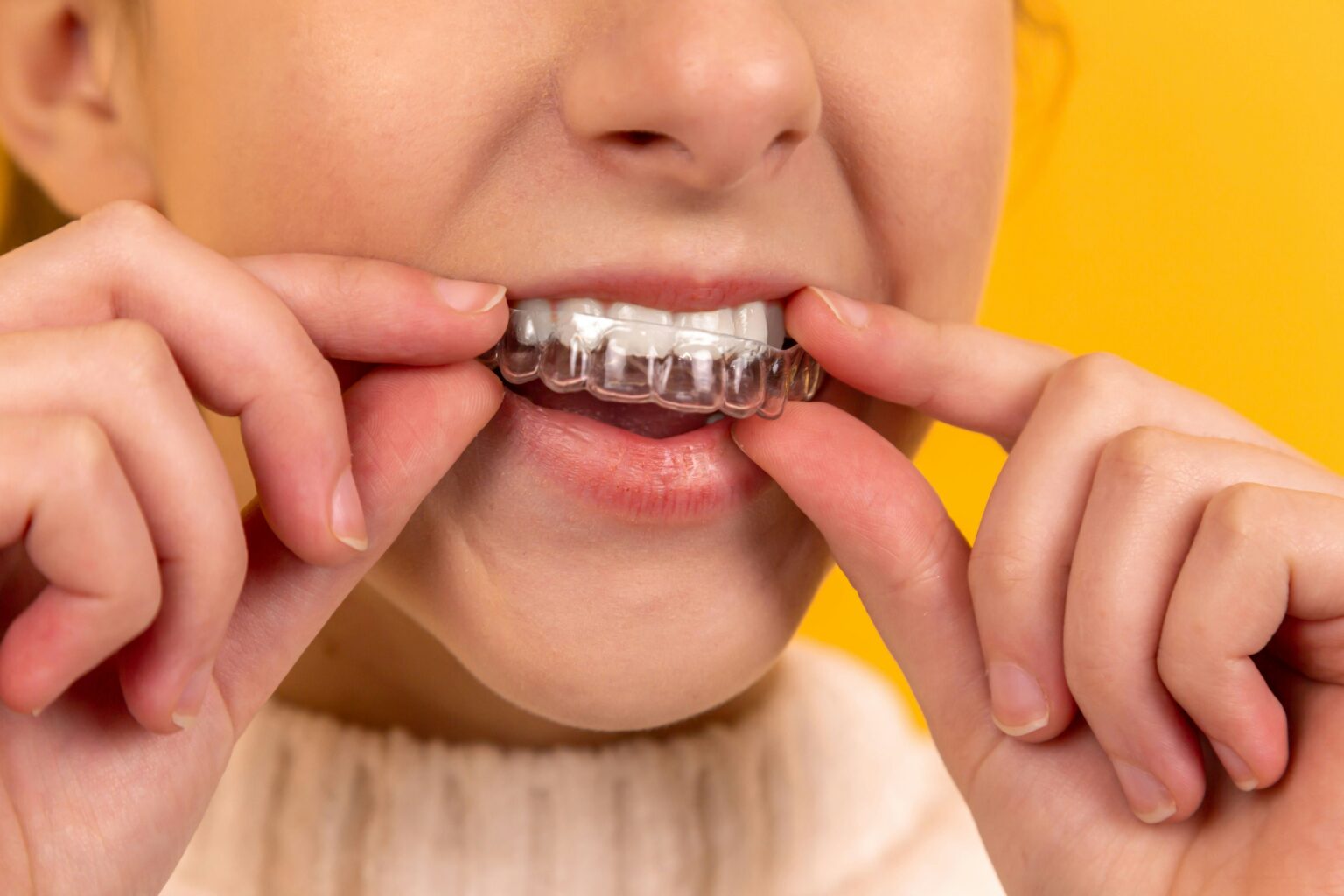
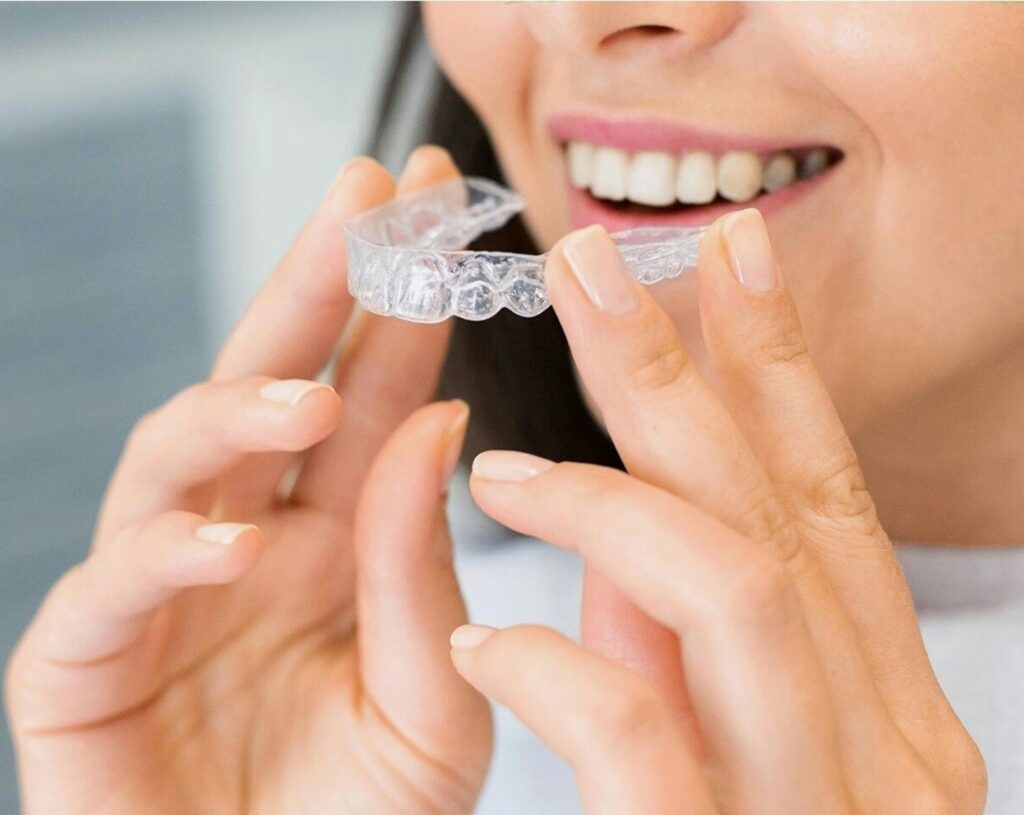
If you have ever worn Invisalign or even sat through a consultation, you have seen the polished side of treatment. A scan appears on a screen. Teeth shift in a neat digital simulation. A box of clear aligners arrives, labeled and organized. From the patient chair, it can seem almost effortless.
What most people do not see is the amount of planning, judgment, and quality control that happens before that first tray ever touches a tooth.
That hidden work matters. Invisalign is not simply a set of clear plastic shells. It is a carefully staged orthodontic system that depends on anatomy, biomechanics, software, manufacturing precision, and patient habits. In a place like Calabasas, where many patients want orthodontic treatment that fits busy professional schedules and stays visually discreet, the behind-the-scenes process becomes even more important. Efficiency is valuable, but predictability is what makes treatment successful.
When people search for Invisalign Calabasas CA, they are usually thinking about convenience, appearance, and cost. Those are fair questions. The more useful question, though, is what actually has to happen behind the scenes for clear aligners to work safely and well. That is where the real story is.
It starts with diagnosis, not trays
A common misconception is that Invisalign begins with a scan. In practice, it begins with diagnosis.
An experienced provider does not look at crowded front teeth and immediately think, “This patient needs aligners.” The first step is figuring out why the bite looks the way it does, whether the crowding is mild or severe, whether there is a jaw relationship issue, whether gum health can support tooth movement, and whether there are habits such as clenching or tongue thrusting that could interfere with progress.
This part is less glamorous than the simulation on the screen, but it is the part that protects the patient.
A proper workup usually includes a clinical exam, photos, digital scans or impressions, and X-rays. The photos are not just for before-and-after marketing. They help the doctor evaluate symmetry, smile arc, tooth display, and soft tissue balance. The scans provide a precise digital model of the teeth. The X-rays show roots, bone levels, impacted teeth, restorations, and potential concerns that are invisible from the surface.
Sometimes the consultation reveals that Invisalign is an excellent fit. Sometimes it reveals that treatment should wait until gum inflammation is controlled. Sometimes the better answer is limited cosmetic movement rather than full orthodontics. And sometimes the case calls for braces, tooth reshaping, restorative work, or coordination with another specialist.
That is one of the least discussed realities behind Invisalign. Good treatment planning often includes saying no to the wrong case, or at least slowing it down until the biology is ready.
The digital scan is only the raw material
Patients often assume that once the scan is done, a computer takes over. The truth is more nuanced.
The intraoral scanner creates an accurate three-dimensional map of the teeth and bite. Modern scanners are fast and much more comfortable than old-style impressions with trays and putty. In many offices, the scan takes only a few minutes. For patients with strong gag reflexes, that alone feels like a major upgrade.
But the scan is only raw material. It captures the current position of the teeth. It does not automatically determine the safest or most effective path to the final result.
This is where treatment planning software comes in. Invisalign providers review the digital setup and decide how each tooth should move over time. Teeth do not simply slide through bone like furniture across a floor. Each movement has a biological cost and a mechanical limit. Tipping a tooth is easier than translating it bodily. Rotating a rounded tooth can be stubborn. Extruding a tooth can be unpredictable. Expanding an arch may look attractive on a screen but can become unstable if done beyond the limits of the supporting bone.
That is why experienced clinicians spend real time adjusting the digital plan. They may slow down certain movements, sequence them differently, or accept a more conservative end point in one area to protect the bite in another. If there is a deep bite, they may prioritize vertical control. If there are narrow arches, they may stage expansion carefully. If a patient has veneers, crowns, or short clinical crowns, attachment placement may need to change.
The software is powerful, but it does not replace judgment. It amplifies good judgment and exposes weak judgment.
Why attachments matter more than most patients realize
Those small tooth-colored bumps bonded to the teeth are one of the least glamorous parts of Invisalign and one of the most important.
Attachments give the aligner something to grip. Without them, many tooth movements would be far less predictable. A clear aligner by itself can push, but it cannot always control force direction well enough to achieve the planned movement, especially for rotations, root control, and extrusion.
Patients sometimes ask whether attachments can be skipped for cosmetic reasons. In some simple cases, fewer attachments may be possible. In many others, removing them would be like asking a carpenter to work without the right fasteners. You might still get some movement, but not the movement you were paying for.
Behind the scenes, attachment design is specific. Their size, shape, and placement are based on the movement required. A rectangular attachment may help with one type of control, while a beveled Invisalign Calabasas CA oaksdentistry.com shape may help with another. Bonding them accurately matters. If even one attachment is incomplete or slightly distorted, the tray may not seat fully, and the chain of planned movements starts to drift.
This is a good example of how Invisalign succeeds or fails in small details. The trays may be manufactured precisely, but if the aligner cannot fully engage the intended attachment, the force system changes.
The bite is the real project
Many people begin treatment because they want straighter front teeth. Fair enough. Crooked incisors are easy to notice in the mirror and in photos.
Orthodontically, though, the front teeth are often the visible symptom, not the whole project.
The bigger issue is the bite, how the upper and lower teeth fit together, how they contact during chewing, and how they guide movement when the jaw opens and closes. If aligners line up the front teeth beautifully but leave a poor bite, the result can feel unstable, uncomfortable, or both.
A lot of behind-the-scenes planning goes into managing overbite, overjet, crossbite, midline discrepancies, and arch coordination. In some cases, small aesthetic improvements are easy while bite correction is difficult. In others, the reverse is true. A patient may think the case is simple because only one canine looks crowded, while the doctor sees a narrow upper arch, a functional shift, and a bite that will fight back if not addressed properly.
That is why a good provider does not judge the case from the selfie angle alone.
In higher-functioning adult practices, especially in communities where patients may already have veneers, implants, or prior dental work, bite planning becomes even more nuanced. Natural enamel moves one way. Crowns and bonded restorations create different considerations. Implants do not move at all. A plan that ignores those realities can look reasonable on screen and become frustrating in real life.
Manufacturing is precise, but not magical
Once the doctor approves the treatment plan, the aligners are fabricated from the digital prescription. This is the point where many patients imagine an almost automatic process, and to a degree it is highly standardized. The trays are produced to match each stage of movement, and each set is slightly different from the one before it.
Still, precision manufacturing does not guarantee precision results on its own.
The aligners are only as good as the treatment plan they are built from and the way they fit the patient in the real world. Teeth are biological structures surrounded by ligament and bone. They do not always move exactly on schedule. Some move faster. Some lag. Some track beautifully until one stubborn rotation starts to fall behind.
That gap between digital ideal and biological reality is where monitoring matters. It is also where many patients first realize there is more going on than “wear tray A, then tray B.”
A well-run office watches for subtle signs of tracking loss. The tray may lift slightly at the edge of a tooth. A posterior segment may not seat fully. One attachment may stop engaging the plastic. Those details can seem minor and still be the first clue that the movement sequence needs help.
Wear time is the engine
If there is one element patients control more than any other, it is wear time.
Clear aligners generally need to be worn most of the day, often around 20 to 22 hours, to stay on schedule. That sounds straightforward until life gets involved. Coffee habits, social events, business lunches, late-night snacking, travel, and simple forgetfulness all chip away at compliance.
This is one reason Invisalign can be brilliant for the right adult patient and frustrating for the wrong one. It offers flexibility, but flexibility requires discipline.
In offices that treat many professionals and image-conscious adults, the pattern is familiar. Patients love the near invisibility of the trays and the ability to remove them for meetings or photos. Then a few months pass, and the trays start fitting less cleanly because they have been out too often. At that point, the provider has to decide whether to extend wear time per tray, revise the sequence, or rescan and order refinements.
None of this means Invisalign is unreliable. It means the system depends on partnership. The trays deliver force only when they are in the mouth.
A short checklist captures the patient-side habits that most influence success:
- Wear the aligners for the prescribed number of hours each day.
- Change trays only on the schedule approved by the provider.
- Seat each aligner fully, often with the help of chewies if recommended.
- Keep attachments intact and report any that come off.
- Attend follow-up visits even when everything seems fine.
Those points sound simple because they are simple. They are also where many cases quietly go off course.
Monitoring is where experience shows up
The public-facing image of Invisalign often emphasizes convenience, but convenience does not mean absence of supervision.
Follow-up visits are less about ceremonial tray handoffs and more about checking biomechanics in motion. The provider evaluates fit, attachment integrity, oral hygiene, tissue health, and bite development. If interproximal reduction is part of the plan, that is timed carefully. If elastics are needed, they are introduced at specific stages. If a tooth is lagging, the provider may pause progression, add auxiliaries, or modify the plan.
Remote monitoring has become more common, and for selected patients it can work well. It helps catch issues early and can reduce unnecessary in-office time. Still, remote tools are best viewed as an extension of supervision, not a substitute for sound clinical management.
There is also a practical side that patients rarely think about. Every correction has a timing cost. If a tray stops tracking at stage 8 and nobody notices until stage 15, the next steps may no longer fit the biology of the case. That can add months. On the other hand, if the issue is caught early, a small adjustment may preserve the overall timeline.
In my experience, the offices that run Invisalign smoothly tend to have strong systems behind the scenes. They document fit carefully, train staff well on attachment placement and tray delivery, and communicate clearly about what the patient should expect between visits. The treatment may look simple from the chair because the operational side is not simple at all.
Refinements are normal, not a sign of failure
One of the most misunderstood parts of Invisalign is refinement.
Patients sometimes hear the word and think something went wrong. Usually, it means the opposite. It means the provider is paying attention to the final details and wants a better finish than the initial series alone delivered.
Teeth do not read the software. Even well-managed cases often need an additional scan and a short second set of aligners to perfect rotations, close tiny spaces, improve root position, or settle the bite. This is particularly common in adults, in complex cases, and in cases involving previous dental work.
Refinement is where expectations need to be realistic. A case estimated at 12 months may become 14 or 16 months if the doctor is aiming for a more stable, polished result. Some patients are happy to stop earlier once the front teeth look good. Others want every detail as close to ideal as possible. Neither preference is inherently wrong, but the treatment plan should reflect it openly.
When patients ask why timelines vary so much between offices offering Invisalign Calabasas CA, this is part of the answer. One provider may quote a shorter treatment by targeting a cosmetic endpoint. Another may plan for fuller bite correction and likely refinements. The shorter estimate is not automatically better. It depends on what is being promised.
Adult mouths come with history
Teen cases and adult cases often look different behind the scenes because adult mouths come with more dental history.
A teenager may have relatively untouched enamel and few restorations. An adult in Calabasas might present with bonding, whitening history, old orthodontic relapse, ceramic crowns, gum recession, worn edges from grinding, and one or two implants. Each of those changes the planning.
Teeth with shortened crowns can make attachment retention trickier. Crowns require attention to bonding protocols. Existing recession affects how aggressively teeth should be moved. Implants act as stationary points because they are fused to bone and cannot be repositioned orthodontically. If the patient clenches, aligners may wear faster or seat differently. If there is a history of TMJ symptoms, bite changes need to be managed thoughtfully.
This is where experience matters more than brand. Invisalign is the system, but the provider is still making the clinical decisions.
What can slow a case down
Treatment delays are rarely caused by one dramatic mistake. More often, they come from a series of small, very human disruptions.
Here are the issues that most often slow treatment in real practice:
- Inconsistent wear, especially trays being left out during long meals or social events.
- Broken or missing attachments that are not repaired quickly.
- Switching to the next tray too early, before the current movement is complete.
- Travel or schedule gaps that push follow-up visits too far apart.
- Biological resistance, where one or two teeth simply move more slowly than expected.
The practical takeaway is not that Invisalign is fragile. It is that successful treatment relies on rhythm. When the rhythm is maintained, progress is usually smooth. When it is repeatedly interrupted, small tracking issues become larger course corrections.
Retention is the part nobody should treat casually
The last tray is not the end of orthodontic treatment. It is the beginning of retention.
Teeth have memory, or at least the surrounding tissues do. After movement, the periodontal fibers and bone need time to reorganize. Without retention, relapse is common. Sometimes it is subtle, like a slight lower incisor twist returning over a year or two. Sometimes it is obvious within weeks.
That is why retainers matter so much. In many Invisalign cases, the retainer looks similar to the aligner, which can make patients underestimate its importance. The difference is purpose. Aligners move teeth. Retainers hold them where all that effort put them.
A thoughtful provider also considers long-term retention strategy based on the original problem. Lower front crowding, for example, has a strong tendency to relapse in many adults. Some patients do well with removable retainers alone. Others benefit from a bonded lingual retainer combined with removable nighttime wear.
This is another behind-the-scenes area where good counseling prevents disappointment later. If someone spends a year straightening their teeth and then treats retention as optional, the biology does not care how nice the final photos looked.
Why the provider-patient fit matters in Calabasas
Calabasas patients often want a treatment experience that respects time, appearance, and predictability. Invisalign can serve those priorities very well, but only when the workflow behind it is disciplined.
A polished office, a modern scanner, and a friendly consultation are all good signs. They are not the whole picture. The better questions are more practical. Who is doing the treatment planning? How often are results reviewed? What is the protocol if a tray stops fitting? Are refinements built into the discussion from the start? How is retention handled after active treatment?
Those questions reveal more than marketing language ever will.
For many adults seeking Invisalign Calabasas CA, the best experience comes from an office that combines aesthetics with rigor. Straight teeth are part of the goal. Healthy movement, a stable bite, and realistic planning are the larger project. Patients usually feel that difference, even if they cannot always name it. Appointments run with purpose. Instructions are specific. Progress is measured, not guessed.
That is what Invisalign looks like behind the scenes when it is done well. The trays may be clear, but the process should never be vague.
Oaks Dental
5000 Parkway Calabasas, Suite 308
Calabasas, CA 91302
(818) 643-6521
FAQ About Invisalign Calabasas CA
How many hours a day should I wear Invisalign?
Clear aligners are typically worn for 20 to 22 hours a day. Follow your dentist’s instructions for your specific treatment plan.
What age is best for Invisalign?
Many teens and adults can use clear aligners. A dentist can assess dental development, oral health, and the type of tooth movement needed.
What affects the cost of Invisalign in California?
Cost depends on the complexity and length of treatment and what the quoted plan includes. Ask for an itemized estimate and check any orthodontic coverage with your insurer.