Invisalign Calabasas CA for Improved Function and Appearance
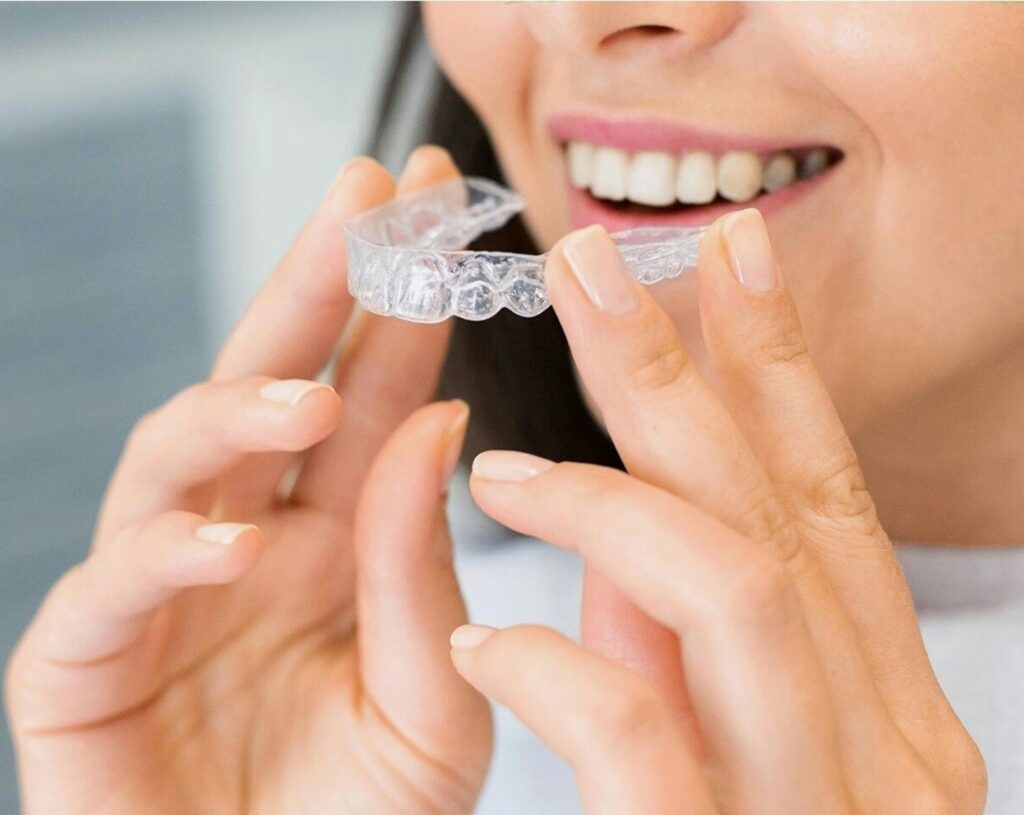
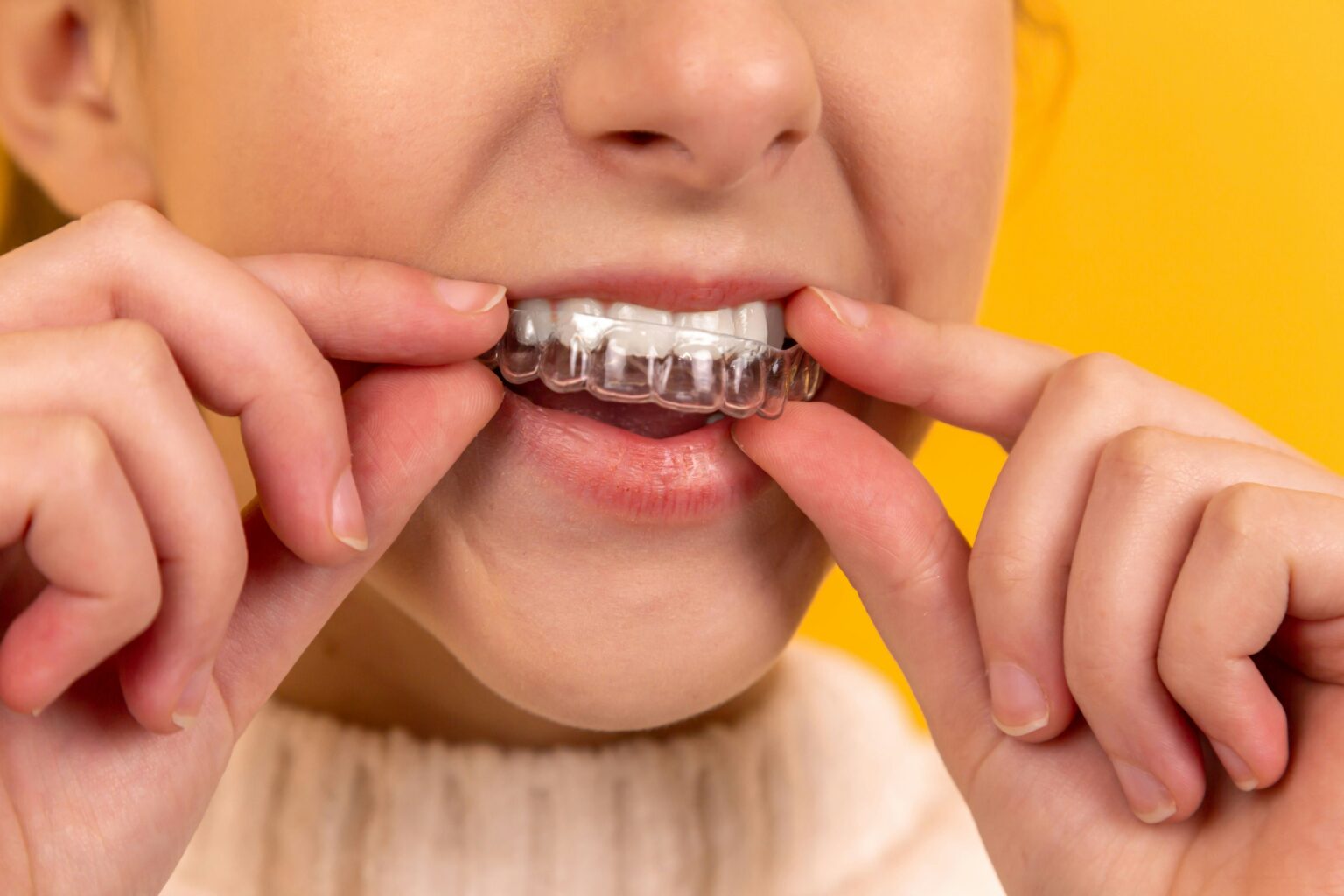
A straighter smile is often discussed as a cosmetic goal, but in practice, alignment affects much more than appearance. Teeth that fit together well tend to be easier to clean, less likely to chip under uneven pressure, and more comfortable during everyday chewing and speaking. That is why interest in Invisalign Calabasas CA continues to grow among adults and teens who want a discreet option that supports both form and function.
Clear aligners appeal to people for obvious reasons. They are removable, smooth, and visually subtle in most social and professional settings. Yet the real value of Invisalign is not simply that it is hard to notice. The value lies in how carefully planned tooth movement can improve bite relationships, create healthier spacing, and help patients feel more at ease with their smile without the look of brackets and wires.
In a place like Calabasas, where many patients juggle demanding work schedules, school activities, public-facing careers, and family obligations, convenience matters. So does predictability. Many people want orthodontic treatment that fits their routine rather than taking over their routine. Invisalign often meets that need, provided the case is suitable and the patient understands the commitment involved.
What Invisalign is actually designed to do
Invisalign uses a sequence of custom-made, clear plastic aligners to move teeth gradually. Each set is shaped a little differently from the one before it. When worn as directed, typically around 20 to 22 hours a day, the trays apply controlled pressure that nudges teeth into planned positions over time.
That sounds simple, but successful treatment depends on detailed planning. Tooth movement is not random, and it is rarely purely cosmetic. A clinician evaluates crowding, spacing, bite relationship, tooth angulation, arch shape, gum health, and jaw function before deciding whether clear aligners are the right fit. In straightforward cases, treatment can be efficient and smooth. In more complex cases, it may still work very well, but only with careful staging and realistic expectations.
A common misconception is that Invisalign is only for minor touch-ups. That used to be closer to the truth years ago, but modern aligner systems can address a much wider range of concerns. Mild to moderate crowding, gaps, rotated teeth, overbites, underbites, crossbites, and relapse after past orthodontic treatment are frequently treated with clear aligners. Some severe skeletal or highly complex bite problems may still be better managed with braces or a combined orthodontic and surgical approach. That is not a weakness of Invisalign. It is simply good clinical judgment.
Why function matters as much as appearance
Patients often come in saying they want straighter front teeth, and that is understandable. The front teeth are what people notice first in photos, meetings, and conversations. But an experienced provider will spend just as much time looking at how the back teeth meet, whether there is excessive wear, and whether the jaw is compensating for a poor bite.
When teeth are crowded, cleaning becomes harder. Plaque and food debris collect in narrow spaces, especially where floss struggles to pass through. Over time, that can raise the risk of cavities and gum inflammation. When the bite is off, certain teeth may absorb more force than they should. It is not unusual to see a patient with one chipped edge, one tooth that feels “high,” or a history of grinding made worse by uneven contact.
There is also the matter of comfort. A patient with deep crowding in the lower front teeth may not think of the issue as functional until those teeth become difficult to clean, or until one begins to wear faster than the others. Another patient may have spacing and assume it is purely cosmetic, only to learn that the spacing changes how the teeth contact during chewing. Function tends to reveal itself over time.
This is one reason Invisalign Calabasas CA is often discussed as a smile solution when it should also be viewed as a bite solution. A better-aligned bite can reduce strain in some cases, preserve enamel by distributing force more evenly, and support long-term oral health. It does not solve every jaw-related problem, and it is not a cure-all for TMJ symptoms, but thoughtful alignment can make a meaningful difference.
The appeal of Invisalign for adults
Adults are often ideal candidates for clear aligners, partly because they understand the trade-offs. They appreciate the discreet look, but they also tend to value being able to remove trays for meals, coffee, presentations, and special events. That said, removable treatment requires self-discipline. If aligners spend too much time in a case or wrapped in a napkin at lunch, treatment stalls.
Many adults choosing Invisalign in Calabasas have had orthodontic treatment in the past. They wore braces as teenagers, skipped their retainers in college or early adulthood, and now notice shifting. This relapse pattern is extremely common. Lower front crowding, slight upper incisor rotation, and bite changes can creep in gradually over several years. Patients are often surprised at how much improvement can come from a relatively focused aligner plan.
There is also a psychological component that deserves attention. Adults who have put off treatment for years sometimes arrive feeling embarrassed that they are “too old” to straighten their teeth. In reality, orthodontic care for adults is routine. The goals may be different from those of a teenager, but the motivation is often stronger. Adults usually know exactly what bothers them, and they are often more consistent once they decide to begin.
Teens can benefit too, if the habits are there
Teen treatment with Invisalign can work very well, especially for motivated patients involved in sports, music, theater, or social activities where traditional braces may feel intrusive. The smooth plastic trays can be more comfortable on the cheeks and lips than brackets, and there is no concern about broken wires before a big event or long weekend trip.
Still, teen success depends heavily on routine. If trays are not worn enough, teeth do not track properly. If they are removed constantly for snacks, progress slows. Some families do better with braces simply because compliance is less of a daily variable. This is one of those cases where the best treatment option is not the trendiest one, but the one most likely to work in that specific household.
What the process looks like from consultation to retention
The first visit is not only about whether the teeth can be straightened. It is about whether clear aligners are a sound fit for the whole case. That means discussing goals, taking diagnostic records, and reviewing oral health first. Active gum disease, untreated cavities, or significant restorative concerns may need attention before orthodontic movement begins.
Once records are gathered, a digital treatment plan is created. Patients often enjoy seeing projected movement on a screen, but it helps to remember that these simulations are planning tools, not guarantees. Teeth are biological structures surrounded by bone and gum tissue, and biology does not always move on command. Most cases need some refinements, meaning additional aligners after the initial series, to sharpen the final result.
A typical treatment sequence includes the following:
- Consultation, exam, and digital records to determine candidacy.
- Custom treatment planning, including expected tooth movement and timing.
- Delivery of aligners, along with instructions for wear, cleaning, and tray changes.
- Periodic check-ins to confirm teeth are tracking and to make adjustments if needed.
- Retainers after active treatment, because teeth can and do shift back without them.
That last step deserves more attention than it usually gets. Retention is not optional if you want to keep the result. Many adults seeking Invisalign now are not first-time orthodontic patients. They are second-time patients who stopped wearing retainers years ago. Teeth remember their old positions remarkably well. A beautiful finish can begin drifting within months if retention is ignored.
How long treatment usually takes
The honest answer is that it depends on the complexity of the case, the precision of the treatment plan, and how faithfully the aligners are worn. Minor cosmetic alignment may take only several months. More comprehensive bite correction often lasts 12 to 18 months, and some cases take longer, particularly when refinements are needed.
Patients naturally want a firm timeline. Clinicians can usually provide a realistic range, but exact dates are harder to promise. Missed wear time, lost trays, delayed appointments, and teeth that move more slowly than expected all affect progress. I have seen mild-looking cases take longer than predicted because a patient wore aligners only at night, and I have seen fairly involved cases move efficiently because the patient followed instructions closely and showed up consistently.
A useful way to think about treatment time is this: the calendar matters, but daily habits matter more. Two patients with the same starting point can finish months apart simply because one wears aligners as prescribed and the other does not.
Comfort, attachments, and the parts people do not always expect
Clear aligners are generally comfortable, but comfortable does not mean sensation-free. Most patients feel pressure for the first day or two after switching to a new tray. That pressure is normal. It usually means the aligner is actively moving teeth. Sharp pain is uncommon, though temporary soreness can happen.
Patients are sometimes surprised by attachments, those small tooth-colored bumps bonded to certain teeth. They help the Invisalign Calabasas CA aligners grip and direct movement more precisely. Attachments are an important part of many successful Invisalign cases, even though they make the trays slightly more noticeable up close. Others may need small reductions of enamel between teeth, known as interproximal reduction, to create room in crowded areas. Done conservatively, this can be a very effective way to improve alignment without extractions in selected cases.
Speech changes are another concern. A mild lisp can appear during the first few days, especially with certain sounds, but most people adapt quickly. In fact, many patients are speaking normally long before they stop noticing the trays themselves.
Daily life with Invisalign in Calabasas
Lifestyle fit is one of the strongest reasons patients choose this treatment. The trays come out for meals, so there are no food restrictions in the same sense as braces. Apples, nuts, crusty bread, popcorn, and chewy foods do not threaten brackets because there are no brackets. That freedom is useful, but it comes with a condition: aligners should be removed only for eating and drinking anything other than water, and teeth should be cleaned before the trays go back in.
For busy professionals in Calabasas, the removability is often the deciding factor. Someone who attends meetings all day may prefer the subtle appearance. A parent shuttling between work and family commitments may appreciate shorter office visits in some cases. A teen athlete may like avoiding the mouth irritation that sometimes comes with contact sports and fixed appliances.
The practical side matters too. Aligners need regular cleaning. They should not be left in a hot car. They should not be rinsed in very hot water, which can warp the plastic. They should not be wrapped in a tissue at a restaurant unless the goal is to throw them away by accident, which happens more often than most offices would like to admit.
When Invisalign may not be the best choice
The best providers do not try to fit every case into one system. There are situations where braces are more efficient, more predictable, or simply more appropriate. Severe rotations, large vertical discrepancies, complex skeletal issues, and cases requiring significant bodily tooth movement may be better treated with fixed appliances, or with a hybrid approach.
There are also patient-related reasons to choose something else. If a person knows they are unlikely to wear trays consistently, braces may be the more honest option. If someone drinks coffee all day and does not want the hassle of removing aligners or cleaning teeth repeatedly, that matters. Orthodontic success depends on matching the method to the person, not just the problem.
A thoughtful consultation should address these trade-offs clearly. Marketing tends to focus on the near-invisibility of clear aligners, but the more important question is whether they can deliver a healthy, stable result in that specific mouth.
Questions worth asking at your consultation
A productive consultation is not a sales meeting. It should help you understand what is realistic, what the treatment is trying to achieve, and what your responsibilities will be. These are useful questions to bring:
- Is my concern mainly cosmetic, functional, or both?
- Are clear aligners the best option for my case, or just one option?
- Will I likely need attachments, refinements, or enamel shaping?
- How long is the estimated treatment range if I wear the trays properly?
- What retainer plan will protect the result after treatment ends?
Those questions tend to lead to a better conversation than simply asking, “How much does it cost?” Cost matters, of course, but value comes from diagnosis, planning, execution, and long-term stability.
Cost, value, and what patients are really paying for
Fees vary depending on complexity, duration, the need for refinements, and the experience of the treating provider. Simple relapse cases usually cost less than comprehensive bite correction. Some offices bundle retainers and refinement aligners into the overall fee, while others separate them. That is one reason comparing prices without comparing scope can be misleading.
Patients are not just paying for plastic trays. They are paying for diagnosis, digital planning, clinical oversight, course correction when needed, and retention strategy at the end. A case that starts cheaply but lacks close monitoring can become expensive in other ways if the bite is not right or the result proves unstable.
This is especially important when evaluating Invisalign Calabasas CA options. Expertise varies. So does the thoroughness of treatment planning. A good fit is not simply the nearest office or the lowest advertised price. It is the provider who can explain your bite, show you the likely path forward, and be candid about limitations as well as benefits.
Appearance changes are often subtler and better than expected
One of the most satisfying parts of aligner treatment is that the cosmetic improvement is often more natural than patients imagine. Straighter teeth can make the smile look broader, cleaner, and more balanced without appearing artificial. Small changes in angulation and spacing can affect how much gum shows, how the lips frame the smile, and how symmetrical the front teeth appear in photographs.
Interestingly, many patients report benefits they did not initially expect. They smile more readily. They stop covering their mouth when laughing. They find flossing easier. They no longer fixate on one tooth that always Invisalign Calabasas CA looked “off” in pictures. These are not dramatic Hollywood transformations. More often, they are quiet improvements that make someone look like a more rested, more confident version of themselves.
That understated result is usually the best kind. Good orthodontics should not make the smile look manufactured. It should make the smile look healthy, harmonious, and believable on the face.
Stability comes from finishing well, not just finishing fast
The rush to finish treatment can sometimes undermine long-term success. Teeth should not simply look straight from the front. They should fit together in a stable way, with contacts and positions that support chewing and retention. This is where refinements, careful finishing, and retainer planning make a real difference.
A provider who takes the time to fine-tune the last 10 percent often delivers the result patients enjoy for years. That final phase may involve a few more aligners than originally expected, but it is usually worth it. Fast treatment is appealing. Stable treatment is better.
For patients considering Invisalign Calabasas CA, the key is to view it as more than a cosmetic accessory. When used appropriately and managed well, it is a serious orthodontic tool that can improve smile aesthetics, bite function, and day-to-day confidence in a practical, discreet way. The right case selection, consistent wear, and long-term retention are what turn that promise into a result that lasts.
Oaks Dental
5000 Parkway Calabasas, Suite 308
Calabasas, CA 91302
(818) 643-6521
FAQ About Invisalign Calabasas CA
How many hours a day should I wear Invisalign?
Clear aligners are typically worn for 20 to 22 hours a day. Follow your dentist’s instructions for your specific treatment plan.
What age is best for Invisalign?
Many teens and adults can use clear aligners. A dentist can assess dental development, oral health, and the type of tooth movement needed.
What affects the cost of Invisalign in California?
Cost depends on the complexity and length of treatment and what the quoted plan includes. Ask for an itemized estimate and check any orthodontic coverage with your insurer.